
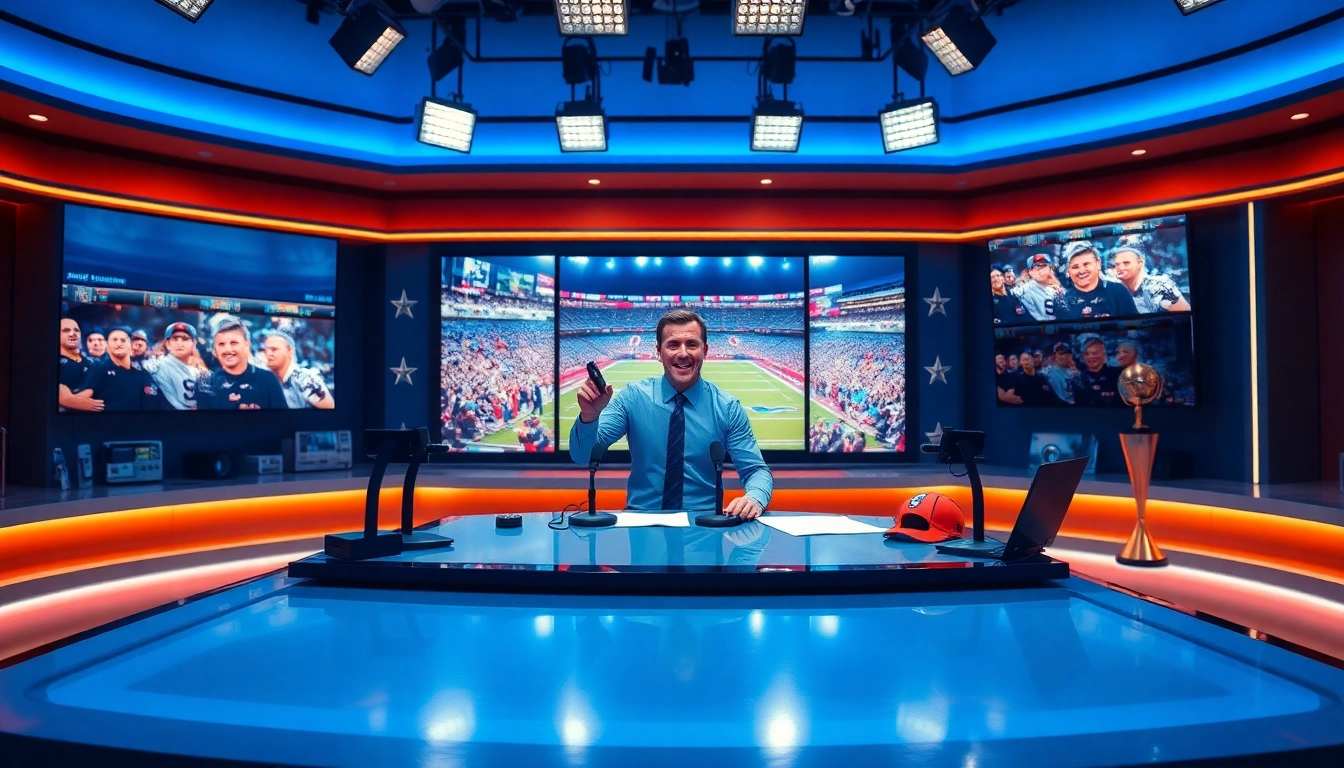
The Rise of Sports Broadcasting
Sports broadcasting has evolved remarkably, reflecting broader changes in society, technology, and the media landscape. From humble beginnings to the vast array of platforms we see today, the journey of sports broadcasting is one of innovation and resilience. Now, with digital platforms becoming the norm, Sports Broadcasting is at a pivotal stage, poised for continued growth and transformation.
Historical Context of Sports Broadcasting
The roots of sports broadcasting can be traced back to the early 20th century when radio began to broadcast live sports events. The first major sporting event aired was the 1921 boxing match between Jack Dempsey and Georges Carpentier, setting the stage for future broadcasts. As technology advanced, the visual aspect was added with television broadcasts becoming more mainstream in the 1950s, culminating in the world’s first live sports event on TV—the 1939 baseball game between the Cincinnati Reds and the Brooklyn Dodgers.
Fast forward to the 1980s, cable television revolutionized sports broadcasting by introducing dedicated sports channels. ESPN's launch in 1979 exemplifies how focused programming could capture massive audiences. The growth of satellite television further broke barriers, allowing sports fans to access a plethora of events from around the globe. Eventually, the internet entered the fray, offering new platforms for broadcasters and fans alike.
Major Innovations in Sports Broadcasting
Innovation has always been at the heart of sports broadcasting. Technologies such as instant replay, HD cameras, and multi-angle viewing options have profoundly changed how fans consume sports. Instant replay, introduced in the 1960s, transformed refereeing and fan enjoyment by allowing viewers to relive key moments with clarity.
In more recent years, augmented reality (AR) and virtual reality (VR) have emerged as significant game-changers. Broadcasters now use AR for enhanced graphics and visual storytelling, while VR offers immersive experiences that could redefine how fans enjoy live sports even from their sofas.
Impact of Technology on Sports Broadcasting
Technology’s impact on sports broadcasting cannot be overstated. The shift towards online streaming has changed the dynamics of viewership. Platforms like YouTube, Twitch, and dedicated sports apps are reshaping how audiences engage with content. The rise of mobile viewing has introduced the necessity for platforms to optimize content for various devices, enhancing user experience across smartphones, tablets, and smart TVs.
Understanding the Audience in Sports Broadcasting
Understanding the audience is fundamental to successful sports broadcasting. With diverse demographics and preferences, obtaining insights into who watches sports, what they enjoy, and how they engage with broadcasts is crucial for tailoring content effectively.
Identifying Key Demographics
Sports broadcasting caters to various demographics, encompassing different age groups, cultures, and interests. Typically, the core audience includes young adults aged 18-34, who are avid consumers of sports content across multiple platforms. However, it’s essential to recognize the growing interest among older demographics, as many retirees increasingly engage in sports viewership.
Moreover, gender dynamics play a significant role, with an expanding viewership among women in recent years. Sports networks are now prioritizing content that resonates with all genders, making it crucial for broadcasters to cater to this shifting audience landscape.
Addressing Audience Preferences
Knowing what a target audience enjoys is vital. Surveys and analytics can offer insight into preferred sports, viewing times, and content types. Live events generate excitement, but on-demand replays and highlight packages are equally essential. Understanding these preferences allows broadcasters to create tailored programming that resonates with viewers.
Engagement Metrics in Sports Broadcasting
Analysis of audience engagement should go beyond simple viewership numbers. Metrics like time spent watching, social media interactions, and behavior during commercials provide a more nuanced view of audience engagement. Additionally, real-time data collection enables broadcasters to adjust strategies based on viewer response, enhancing all aspects of the viewing experience.
Content Creation Strategies for Sports Broadcasting
Quality content is the cornerstone of successful sports broadcasting. The manner in which events, analyses, and narratives are presented can significantly impact viewer retention and engagement.
Developing Compelling Commentary
Commentary plays a crucial role in enhancing the viewing experience. It must be engaging, informative, and appropriate for the target audience. Successful commentators mix expertise with storytelling, drawing viewers into the drama of the sport. Training and practice are essential to hone this skill, ensuring that commentators can adjust their approach according to the game context and audience response.
Utilizing Visual Elements Effectively
Visual storytelling is paramount in sports broadcasting. Key elements such as graphics, slow-motion replays, and statistics overlays can elevate audience understanding and enjoyment of the game. Producers should ensure these visual elements are used sparingly and effectively to maintain viewer interest without overwhelming them.
Ensuring Consistent Branding in Sports Broadcasting
Branding is essential in sports broadcasting, as it fosters trust and loyalty among viewers. Consistency in logos, themes, and messaging helps audiences form a connection with the broadcasting network. This branding must extend across all platforms, maintaining a cohesive identity regardless of whether the audience is engaging through TV, mobile apps, or social media.
Challenges in the Sports Broadcasting Industry
While the sports broadcasting industry has witnessed significant growth, it is not without challenges. Broadcasters must navigate a complex landscape fraught with legal, technological, and viewer-related hurdles.
Navigating Legal Issues
Broadcast rights and licensing have become increasingly complicated. Navigating negotiations can be particularly challenging, given the various stakeholders, including teams, leagues, and federations involved. It is crucial for broadcasters to stay updated on changes in legal frameworks and rights management processes to avoid costly disputes.
Competing with Streaming Services
The rise of streaming services has intensified competition for traditional broadcasters. With the ability to offer live sports alongside on-demand content, streaming platforms appeal strongly to younger audiences who prioritize flexibility and convenience. In this landscape, traditional broadcasters must innovate to retain their audiences by offering exclusive content and personalized viewing options.
Adapting to Changing Viewer Habits
Today’s viewers are more discerning than ever. They have numerous options at their fingertips and expect high-quality, engaging content. Broadcasters must adapt to these changing habits by providing interactive experiences, creating shareable content, and engaging with audiences through social media. Failure to adapt could result in declining viewership and diminished relevance.
The Future of Sports Broadcasting
The future of sports broadcasting promises exciting possibilities as technology continues to evolve and reshape the industry. Innovations on the horizon could dramatically influence how fans engage with their favorite sports.
Emerging Trends and Technologies
Emerging technologies such as artificial intelligence, machine learning, and blockchain could significantly streamline operations while enhancing viewer experience. AI can improve content personalization, tailoring recommendations based on individual preferences. Machine learning algorithms are increasingly used for predictive analytics, offering broadcasters insights into viewer behaviors and preferences.
The Role of Social Media in Sports Broadcasting
Social media platforms are now vital in the sports broadcasting ecosystem. They enhance viewer engagement, providing additional avenues for content consumption and interaction. As fans increasingly turn to social media for real-time updates, broadcasters would benefit by leveraging these platforms to augment traditional broadcasts and foster discussions.
Predictions for Sports Broadcasting Evolution
As we look ahead, we expect sports broadcasting to continue evolving. Personalized content delivery based on viewer data will become more prevalent, alongside increased collaboration with tech companies to enhance viewer interaction. Furthermore, the trend of immersive experiences, such as VR and AR, promises to draw viewers closer to the action, offering new ways to enjoy sports.
FAQs
What are the main types of sports broadcasting?
The main types include live broadcasts, highlight shows, commentary analysis, and sports news. Each format serves different audience needs.
How has technology changed sports broadcasting?
Technology has introduced innovations like instant replay, online streaming, and VR, enhancing viewer experience and access.
Who typically watches sports broadcasts?
Sports broadcasts attract a diverse audience, primarily young adults aged 18-34, but interest spans various demographics, including women and older viewers.
What challenges do sports broadcasters face today?
Challenges include navigating legal rights issues, competing against streaming services, and adapting to changing viewer habits and preferences.
What is the future of sports broadcasting?
The future includes increased use of AI and interactive media, streaming innovations, and a focus on personalized viewer experiences and immersive technology.