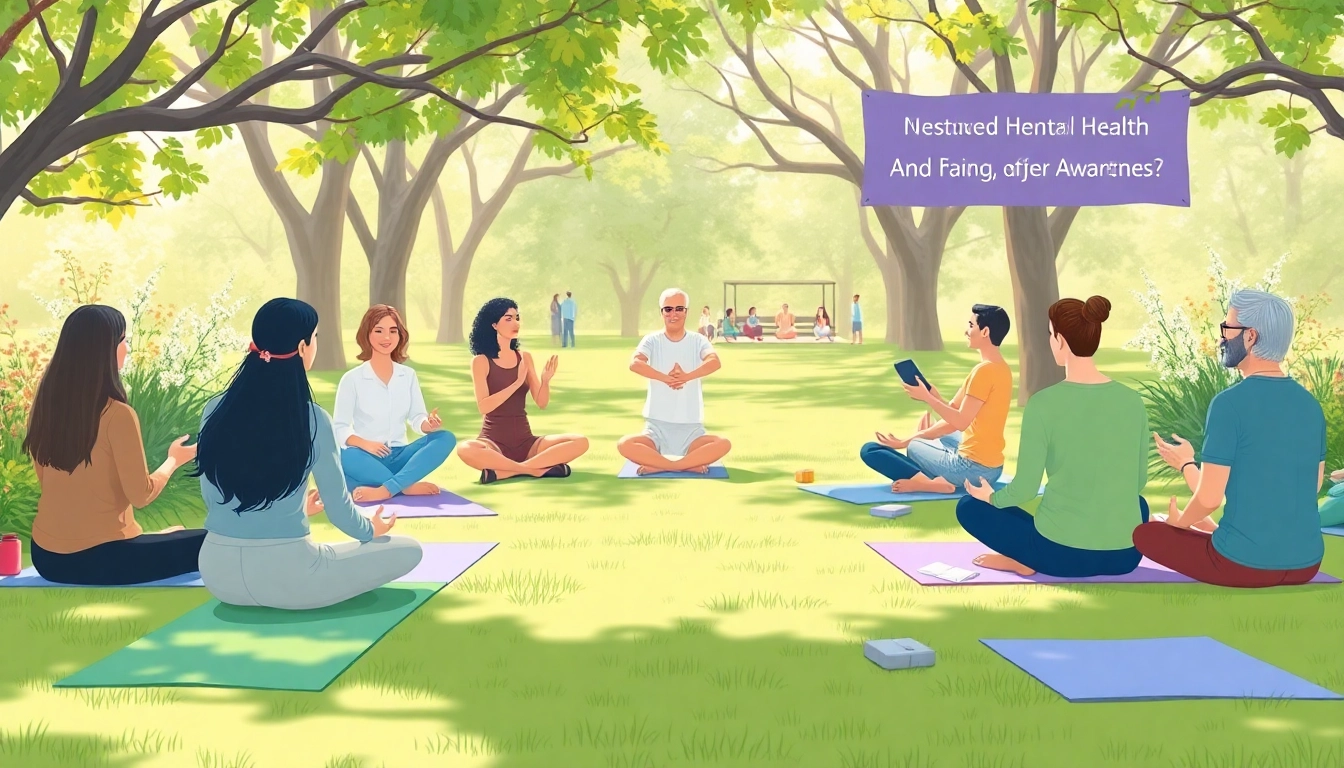
Understanding Mental Health Awareness
Importance of Mental Health Awareness
Mental health awareness plays a crucial role in promoting overall well-being and societal health. As our understanding of mental health evolves, recognizing its significance becomes increasingly important. Acknowledging mental health challenges not only breaks stigmas but also allows individuals to seek help, leading to improved outcomes in both personal and professional domains. By fostering open discussions about mental health, communities can cultivate supportive environments where individuals are encouraged to share their experiences without fear or shame. For effective change, it is essential to prioritize mental health awareness in our public discourse.
Common Misconceptions
Despite advancements in mental health awareness, several misconceptions still persist. One common myth is that mental health issues are a sign of weakness, which can deter individuals from seeking the necessary help. Additionally, many people believe that mental health disorders are rare; however, statistics reveal a different story. Mental health conditions affect millions worldwide, emphasizing the need for increased understanding. Furthermore, there is a widespread belief that medication is the only solution for mental health problems, ignoring the effectiveness of therapy, lifestyle changes, and community support.
Key Statistics on Mental Health
Statistics reveal the staggering scope of mental health issues globally. According to recent studies, approximately one in four individuals will experience a mental health disorder at some point in their lives. Anxiety disorders, for instance, are the most common mental illnesses in the United States, affecting around 40 million adults. Additionally, suicide ranks as one of the leading causes of death among young people, underlining the urgency of effective mental health programs. These data points highlight the urgent need for improved mental health awareness and intervention strategies.
Effective Strategies for Raising Mental Health Awareness
Community-Based Events
One of the most impactful ways to raise mental health awareness is through community-based events. These gatherings not only educate the public but also foster a sense of belonging among participants. Organizing workshops, health fairs, and seminars can effectively disseminate information about mental health issues. For example, local mental health organizations can collaborate to host an annual mental health day, offering screenings, expert talks, and creative activities. Such events create a platform for dialogue and encourage individuals to share their stories and seek help.
Utilizing Social Media Platforms
In today's digital age, social media serves as a powerful tool for promoting mental health awareness. Platforms like Facebook, Twitter, and Instagram can reach vast audiences and facilitate discussions around mental health topics. Organizations and advocates can create impactful campaigns through hashtags, infographics, and personal testimonies to challenge stigmas and spread knowledge. Engaging content, such as live Q&A sessions with mental health professionals, can also encourage followers to ask questions and gain insights into mental health matters.
Collaborating with Local Organizations
Collaboration with local organizations is paramount in creating a network of support for mental health initiatives. By partnering with schools, healthcare providers, and community centers, awareness campaigns can reach diverse populations. For instance, schools can implement mental health education as part of their curriculum, equipping students with coping mechanisms and resilience strategies. Moreover, health providers can offer free counseling sessions during awareness weeks, making professional help more accessible and reducing barriers to care.
Resources for Mental Health Awareness Initiatives
Educational Materials and Workshops
Providing quality educational materials and hosting workshops are essential components of successful mental health awareness initiatives. Comprehensive resources such as brochures, online courses, and toolkits can help individuals understand mental health conditions and the importance of seeking help. Workshops can focus on practical skills, such as mindfulness, stress management, and emotional regulation, empowering participants to enhance their mental well-being and support others in their journeys.
Online Resources and Support Groups
In addition to in-person resources, creating an accessible online presence can significantly impact mental health awareness. Websites that offer informative articles, videos, and online support groups can serve as valuable tools for those seeking help. Virtual support communities provide safe spaces for individuals to share their experiences and connect with others facing similar challenges. These online platforms can also distribute newsletters featuring tips, current research, and self-care strategies, making information broadly available.
Funding and Sponsorship Opportunities
Sustainable mental health awareness initiatives often require funding to maintain momentum and reach a wider audience. Seeking sponsorship from local businesses, grants from governmental bodies, or partnerships with philanthropic organizations can provide the necessary financial support. It is vital to present clear objectives and expected impacts when applying for funding to demonstrate the importance of these initiatives. Transparency and accountability in using funds can also foster trust and encourage ongoing support from sponsors.
Measuring the Impact of Mental Health Awareness Campaigns
Setting Clear Objectives
Measuring the impact of mental health awareness campaigns begins with establishing clear, measurable objectives. Goals may include increasing community engagement, improving knowledge about mental health issues, or reducing stigma. Utilizing SMART criteria—Specific, Measurable, Achievable, Relevant, and Time-bound—can guide organizations in formulating actionable objectives. These benchmarks will provide a framework for evaluating the campaign's success and areas for enhancement.
Collecting Feedback and Data
Effective impact assessment relies on collecting both qualitative and quantitative data. Pre- and post-campaign surveys can gauge shifts in attitudes and knowledge about mental health among participants. Additionally, analyzing attendance numbers at events, engagement on social media, and participant feedback can yield valuable insights. By listening to the community, organizations can refine their strategies and enhance their outreach.
Adjusting Strategies Based on Results
The final step in measuring the impact of mental health awareness campaigns is being willing to adapt strategies based on feedback and data collected. If certain approaches are not resonating with the target audience, organizations must be prepared to pivot and explore new avenues. Continuous learning from both successes and failures enables initiatives to evolve, ensuring they meet the community's changing needs effectively.
FAQs about Mental Health Awareness
What is Mental Health Awareness?
Mental health awareness involves educating individuals about mental health issues, reducing stigma, and encouraging open conversations to promote well-being and help-seeking behaviors.
How can I get involved in mental health awareness events?
You can participate in local events by volunteering, attending workshops, or helping to organize awareness campaigns in your community to promote mental health advocacy.
What resources are available for those seeking help?
Resources include hotlines, websites with educational materials, local support groups, and mental health professionals like therapists or counselors, all aimed at providing assistance.
Why is it important to discuss mental health openly?
Open discussions about mental health foster understanding, reduce stigma, and encourage individuals to seek help when needed, which can lead to improved mental well-being.
How can social media help raise awareness?
Social media can spread information quickly, connect individuals, and showcase personal stories, helping to challenge misconceptions and increase visibility around mental health issues.